Compounded hormone therapy for patient-specific prescriptions
When a prescriber needs a hormone in a strength, combination or form that isn’t sold, we compound it: creams, capsules and troches, prepared for each patient as prescribed.
Hormone therapy preparations
A sample of what prescribers send us. We compound many preparations that aren’t listed: ask a pharmacist.
8 preparations
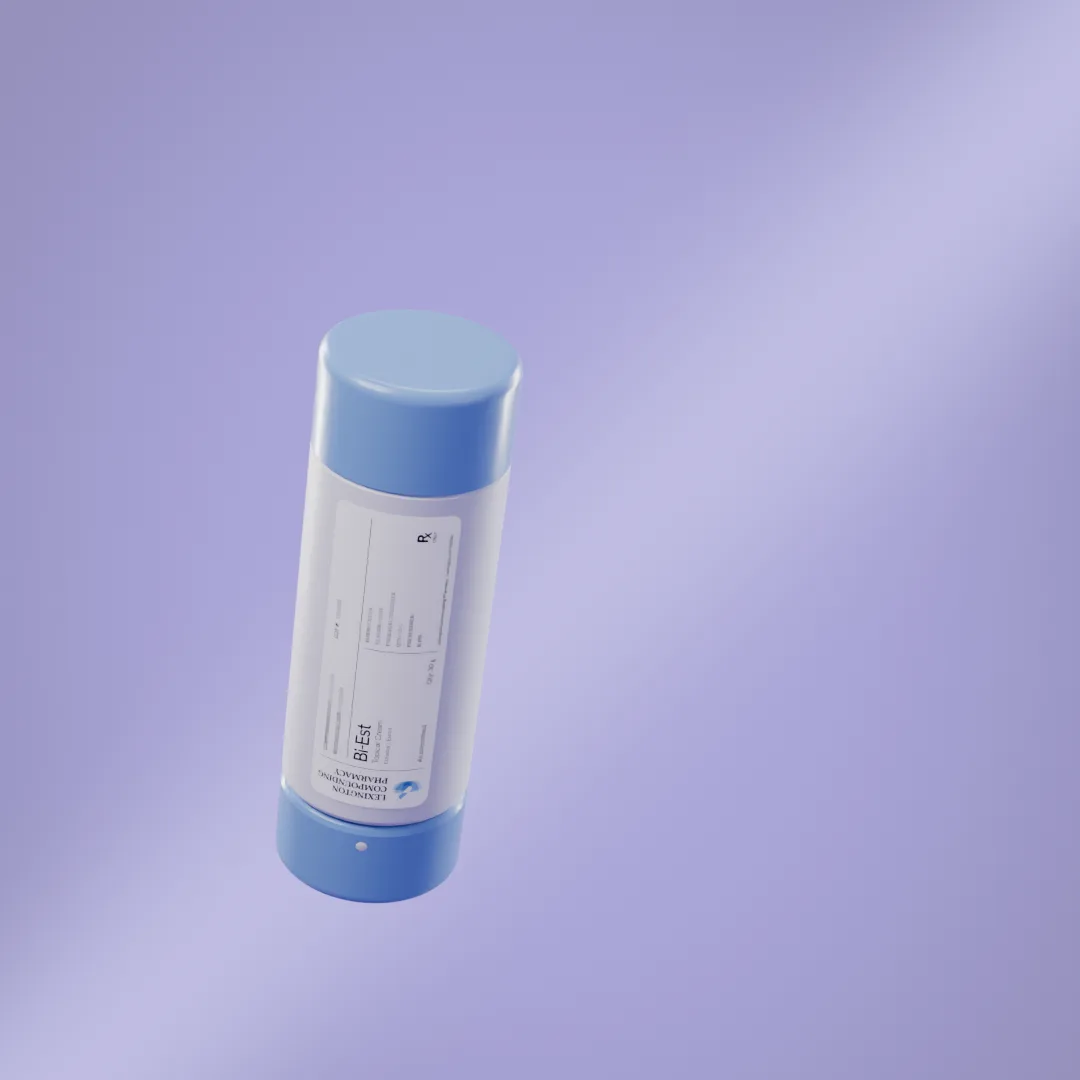 CreamBi-Est CreamView preparation
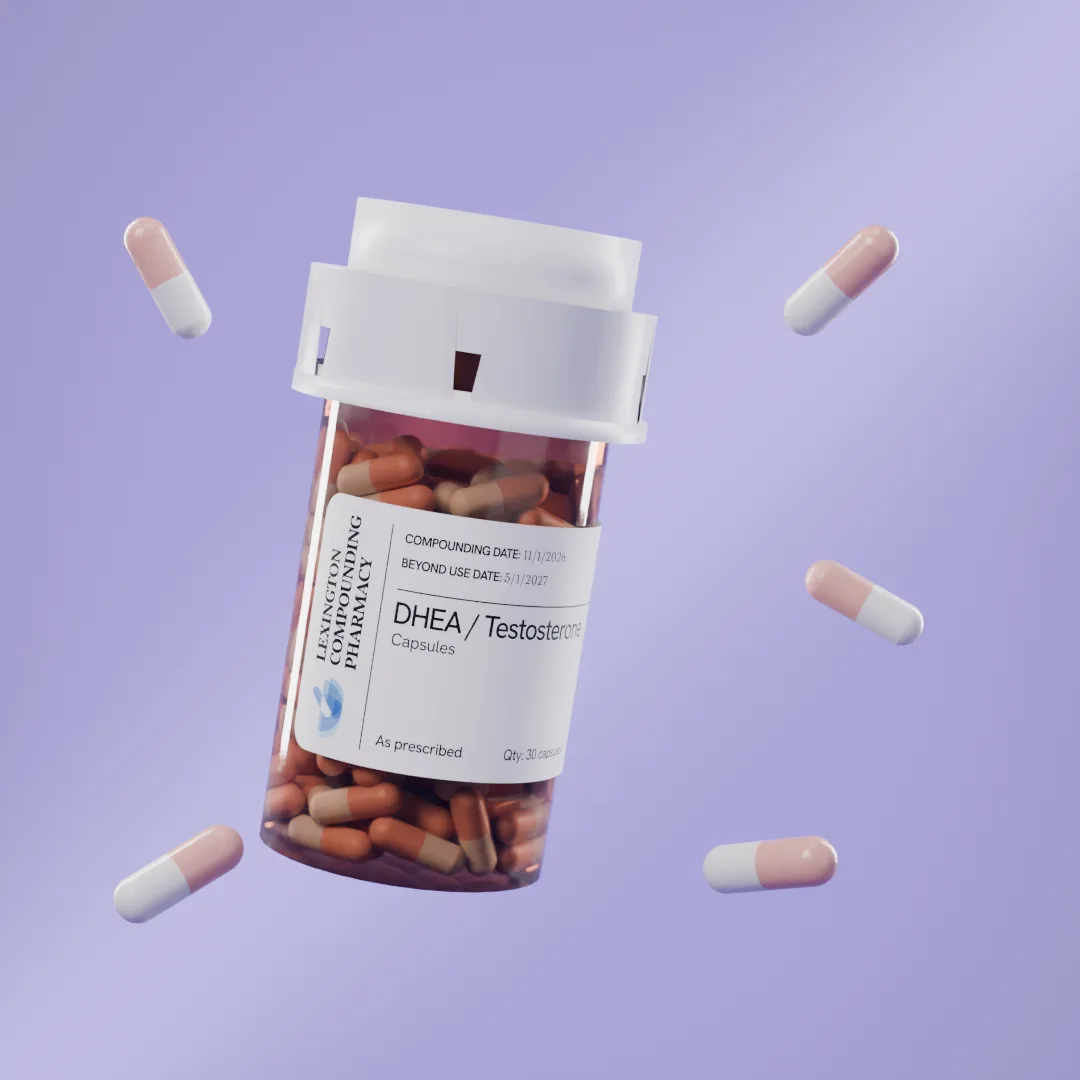 CapsuleDHEA / Testosterone CapsulesView preparation
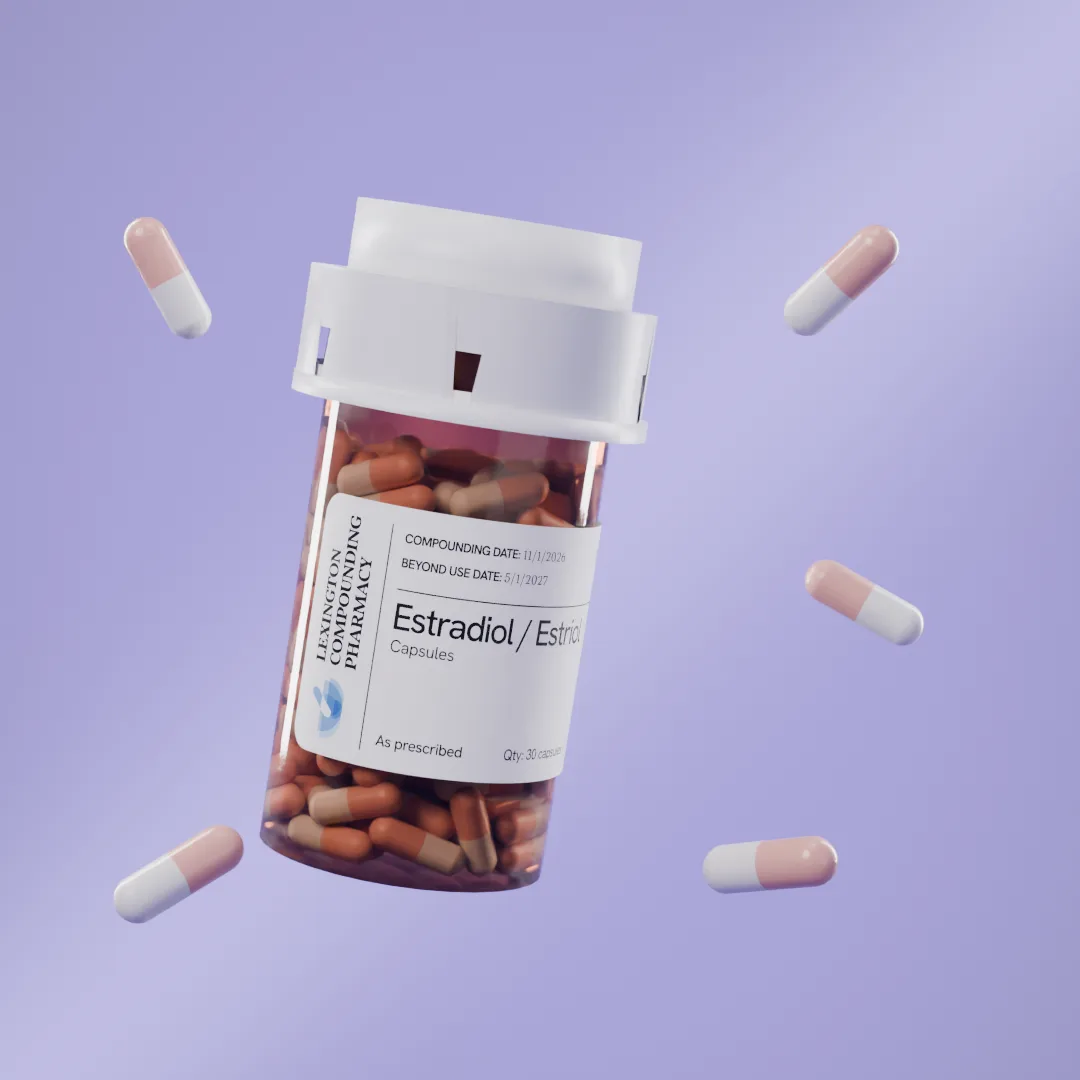 CapsuleEstradiol / Estriol CapsulesView preparation
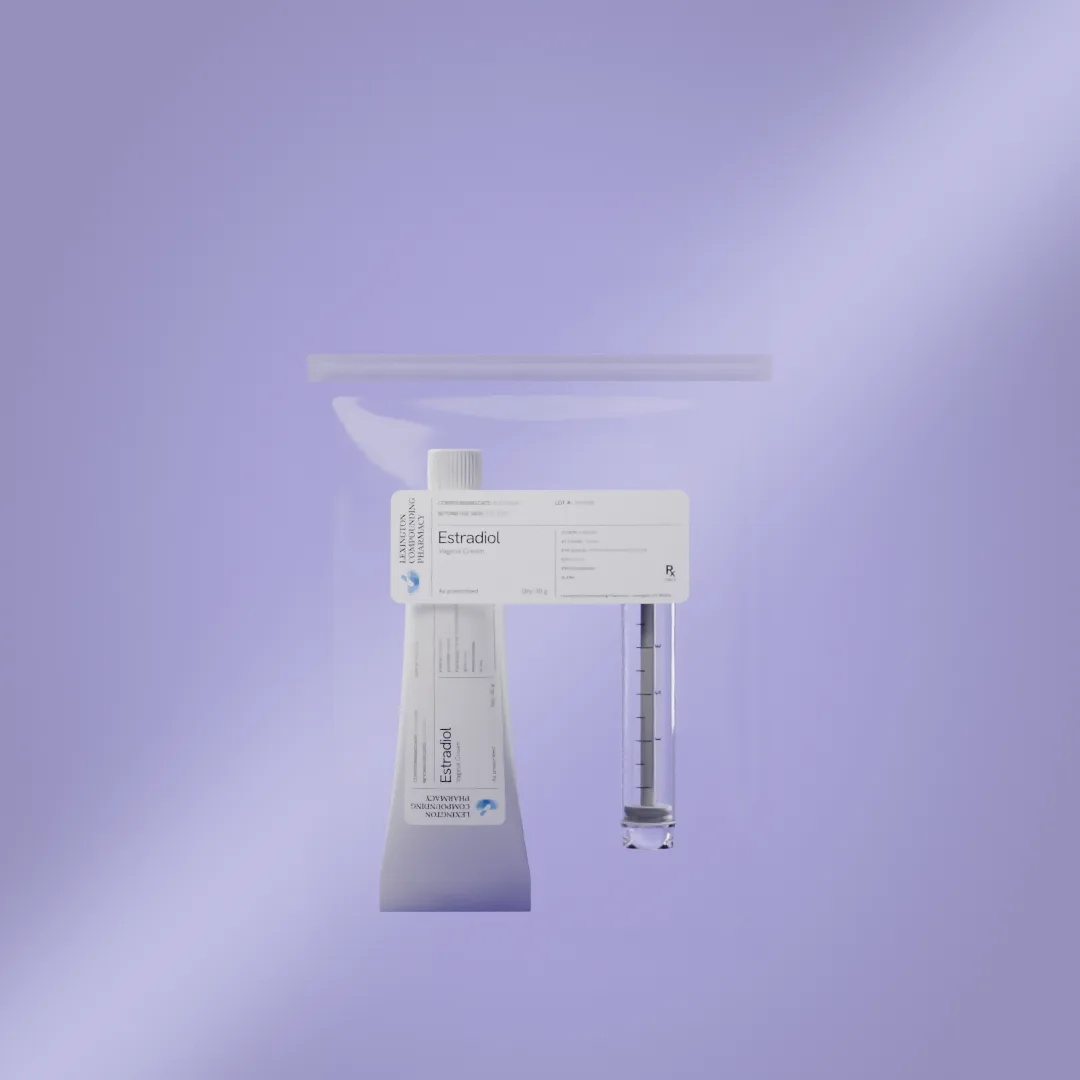 CreamEstradiol Vaginal CreamView preparation
 CapsuleProgesterone CapsulesView preparation
 TrocheProgesterone TrochesView preparation
 CreamTestosterone CreamView preparation
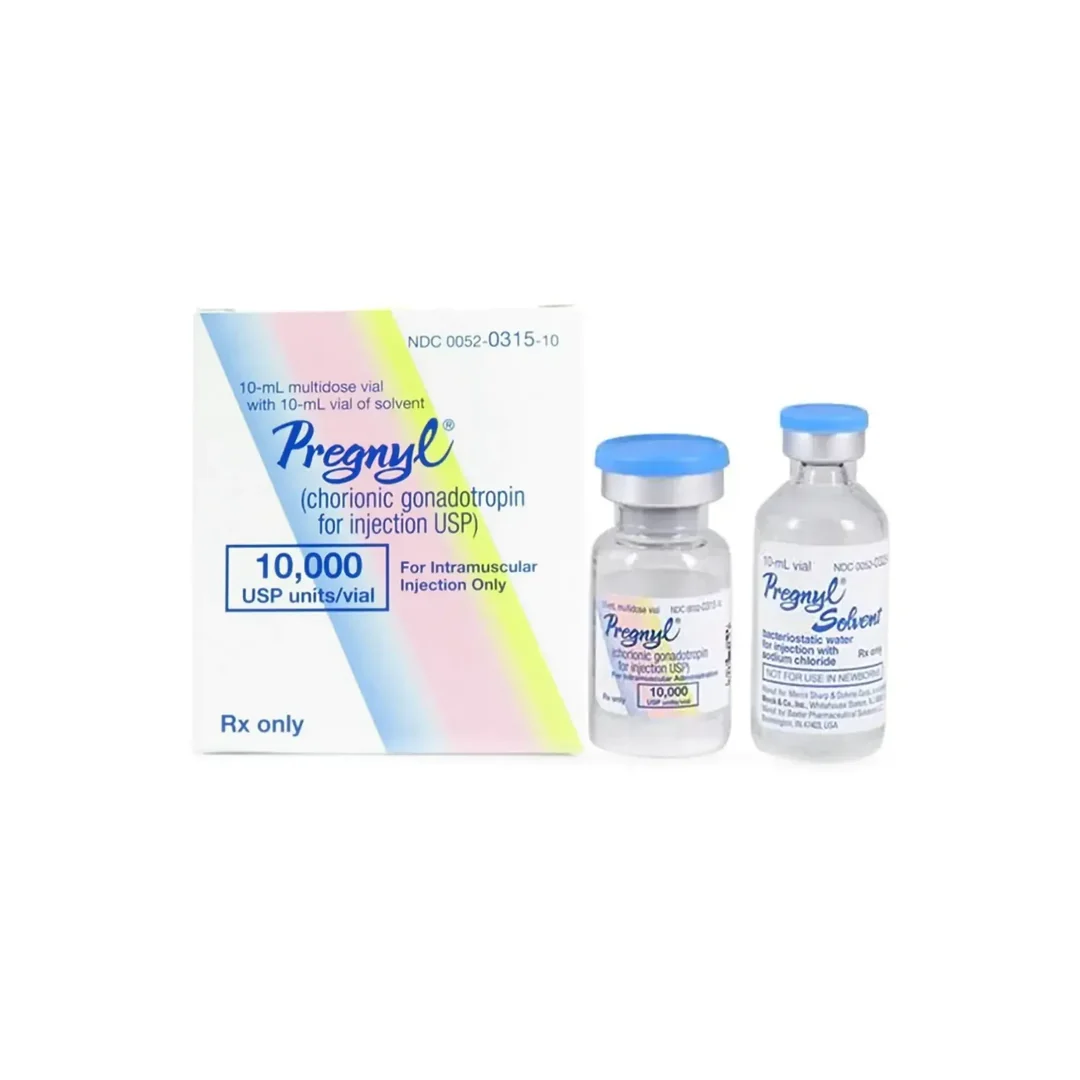 Manufactured productInjectablePregnyl InjectionView preparation
No match. Call a pharmacist at (859) 276-3905: we compound many preparations that aren’t listed here.
Strengths, bases and quantities are set by each prescription. Compounded medications are prepared for an individual patient pursuant to a valid prescription. They are not FDA-approved, and the FDA does not review them for safety, effectiveness or quality.
What we prepare
Prescribers send us hormone prescriptions for women and men, including estradiol and estriol (often written as Bi-Est), progesterone, testosterone and DHEA. We prepare them in the strength, base and dosage form the prescription calls for.
- Topical creams in a measured dispenser, for prescribers who prefer a transdermal route.
- Capsules in strengths that aren’t sold commercially, or without a dye or filler a patient can’t take.
- Troches, which dissolve between the cheek and gum.
Why prescribers choose compounding
A prescriber may order a compounded hormone when no FDA-approved product fits the patient: a strength in between those sold, a combination in one preparation, a different base, or a form the patient can use more easily. The prescriber decides on the hormone, the dose and the form, and follows up on how it’s working.
Compounded hormone preparations are not FDA-approved. Some hormone products are, and they may be the right choice for many patients. We encourage every patient to talk through the options with their prescriber.
How we compound
Hormone creams, capsules and troches are non-sterile preparations, made under USP <795>. A pharmacist reviews every prescription before we compound it and checks every preparation before it ships, labeled with its beyond-use date and storage directions. How we compound.
Three steps, one pharmacy.
Your provider sends us a prescription for you
By e-prescription, fax or LifeFile, with the strength and dosage form you need.
A pharmacist compounds it
We review the prescription, prepare it for you and check it before it leaves.
We ship it to you
Labeled with your directions and beyond-use date, cold-packed if it needs to be.
Made pursuant to a patient-specific prescription.
- Made for each patient
- Each preparation is compounded for the patient named on the prescription, and dated the day it’s made.
- Traceable
- Every label carries a lot number and a beyond-use date.
- A pharmacist you can call
- Questions about the preparation, its label or its storage go to a pharmacist, Mon–Fri, 8 AM–5 PM ET.
Ready to use, in a padded mailer.
- Padded mailer. Bubble-lined to cushion it on the way, with nothing on the outside about what’s inside.
- Your medication. Labeled with your directions, lot number and beyond-use date.
- Pharmacist card. A note from our pharmacists offering to counsel you, with the number to call about your prescription.
Hormone therapy, answered.
Still have a question? Call us to speak with a member of our team.
Call (859) 276-3905Is compounded hormone therapy FDA-approved?
No. Compounded hormone preparations are not FDA-approved, and the FDA does not review them for safety, effectiveness or quality. Some hormone products are FDA-approved; your prescriber decides which fits you.
Can my prescriber change my dose?
Yes. Each preparation is compounded pursuant to a patient-specific prescription, so a new prescription with a new strength or form is all it takes. Call us if you have questions about switching.
How should I store a hormone cream?
Follow the storage directions and beyond-use date on your label. Most creams are kept at room temperature, away from heat. Ask a pharmacist if you’re unsure.