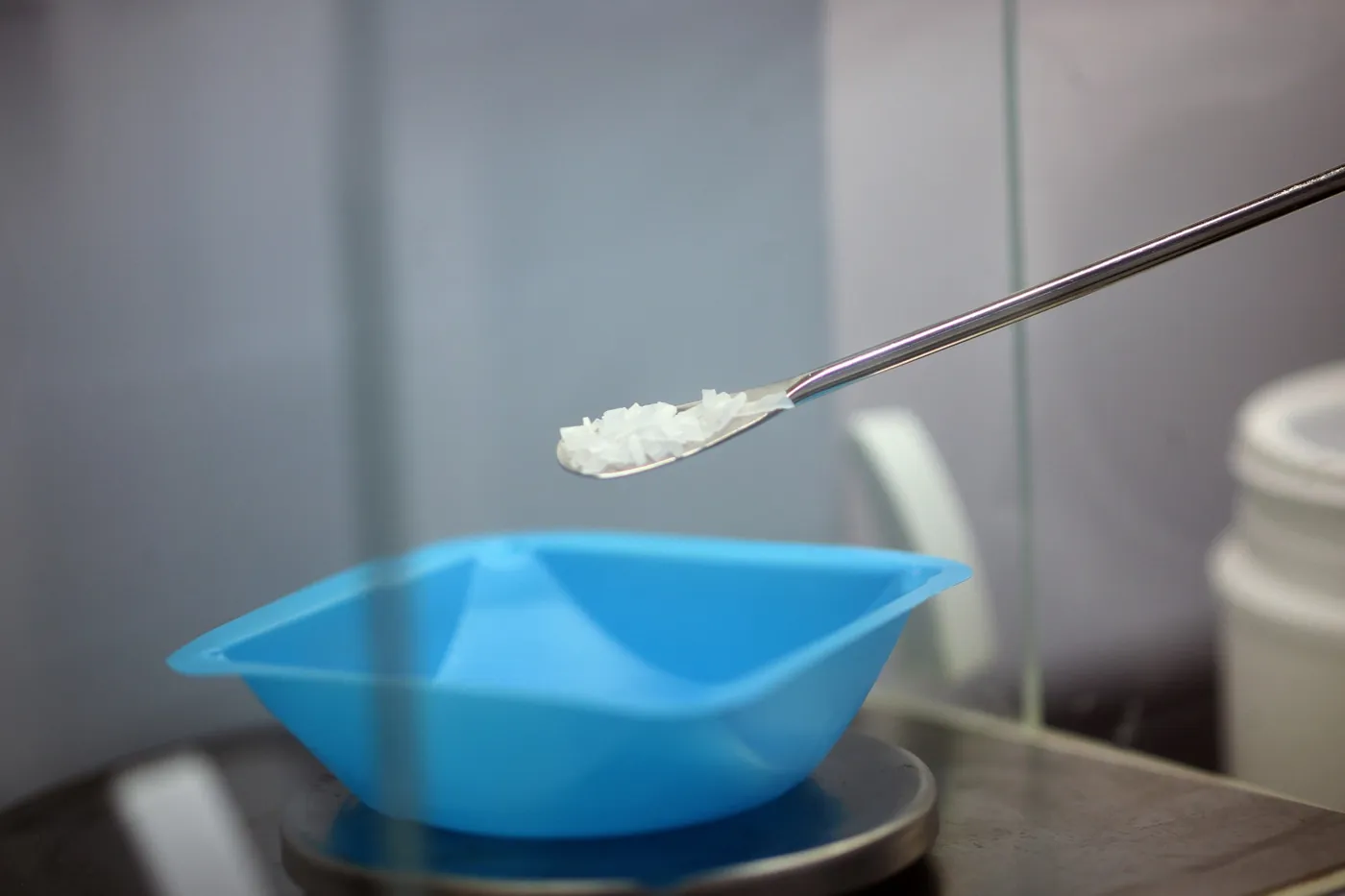
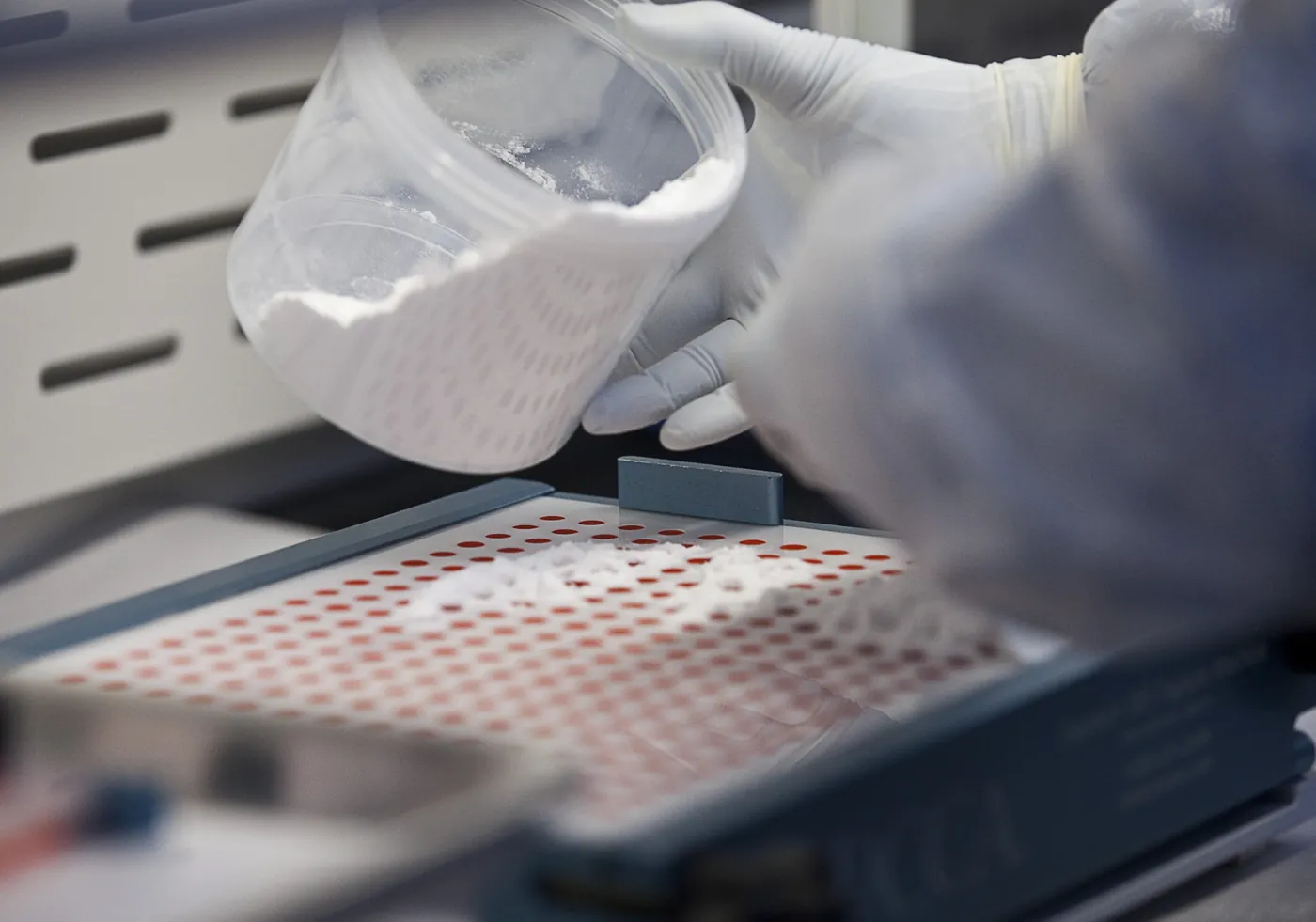
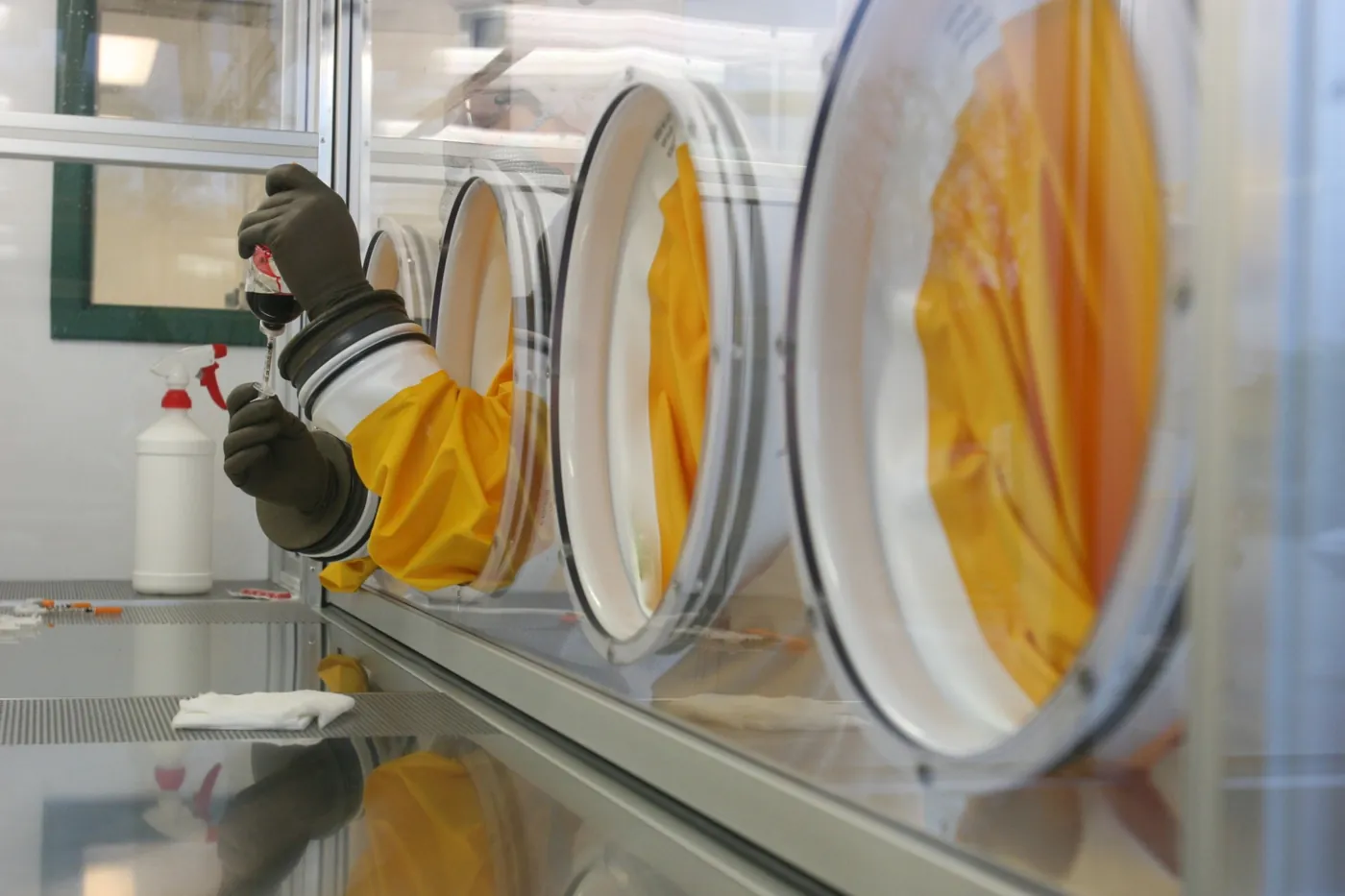
Compounded to USP standards, with independent accreditation
Every preparation starts with a prescription a pharmacist has reviewed, and ends with a pharmacist’s check before it ships.
USP <795>
Non-sterile compounding. Creams, capsules, troches, suppositories and suspensions.
USP <797>
Sterile compounding. Injectables prepared under aseptic conditions.
Pharmacist review
Every prescription before compounding, every preparation before it ships.
Beyond-use dating
Set by USP standards and printed on every label with storage directions.
Accreditation and licenses
- Kentucky Board of Pharmacy permit P06932
- Nonresident pharmacy licenses in 15 more states: see every license
- LegitScript certification
- NABP Compounding Pharmacy Accreditation
- Member of PCCA (Professional Compounding Centers of America)
- Member of the Alliance for Pharmacy Compounding
What quality standards don’t mean
Compounded medications are not FDA-approved, and the FDA does not review them for safety, effectiveness or quality. USP standards and state inspections govern how we compound. Your prescriber decides whether a compounded preparation is right for you.
Common questions
Who inspects compounding pharmacies?
State boards of pharmacy license and inspect 503A pharmacies. Our home board is the Kentucky Board of Pharmacy.
Can I get a certificate of analysis?
Prescribers can ask us about testing for specific preparations. Call (859) 276-3905.
Does testing mean a preparation is FDA-approved?
No. Compounded medications are not FDA-approved. Testing checks attributes such as potency or sterility; it isn’t an FDA review.